2026
Promoting Rwanda’s Home-Grown Solutions through Rwanda Cooperation
Rwanda Cooperation actively shares these solutions globally, hosting delegations and supporting South-South cooperation to disseminate Rwanda’s development model.
Understanding Rwanda’s Home-Grown Solutions
Post-1994, Rwanda restored traditional practices to address complex challenges such as justice, reconciliation, poverty, and governance, emphasizing core values like unity, accountability, and dialogue. These solutions derive from traditional practices adapted to contemporary needs, fostering social cohesion and national identity. Key approaches include community-based justice, dispute resolution, poverty reduction, performance contracts, and civic education, all rooted in local culture yet modernized for current governance and development contexts.
Key Home-Grown Solutions Driving Transformation
Gacaca: Traditional village courts adapted for post-genocide justice, tried over 1.9 million cases, aiding truth recovery and reconciliation.
Abunzi: Community mediation system with over 30,000 mediators resolving civil disputes efficiently and locally to reduce court backlog.
Girinka: "One Cow per Poor Family" initiative distributing over 380,000 cows to improve nutrition, income, and social bonds.
Ubudehe: Participatory household classification and community-driven development, now transitioning into a modern social registry system called Imibereho to better target social protection.
Imihigo: Public performance contracts for local leaders, fostering accountability and transparency through measurable targets monitored annually.
Umuganda: Monthly community work involving almost 90% of citizens, contributing to infrastructure, environmental protection, and fostering dialogue.
Itorero, Ingando, Urugerero - Civic Education: Programs to promote patriotism, unity, and volunteerism, engaging millions in nation-building activities.
Umwiherero - Leadership Retreat: Annual gathering of leaders to review progress and set priorities, streamlining reforms for effective development.
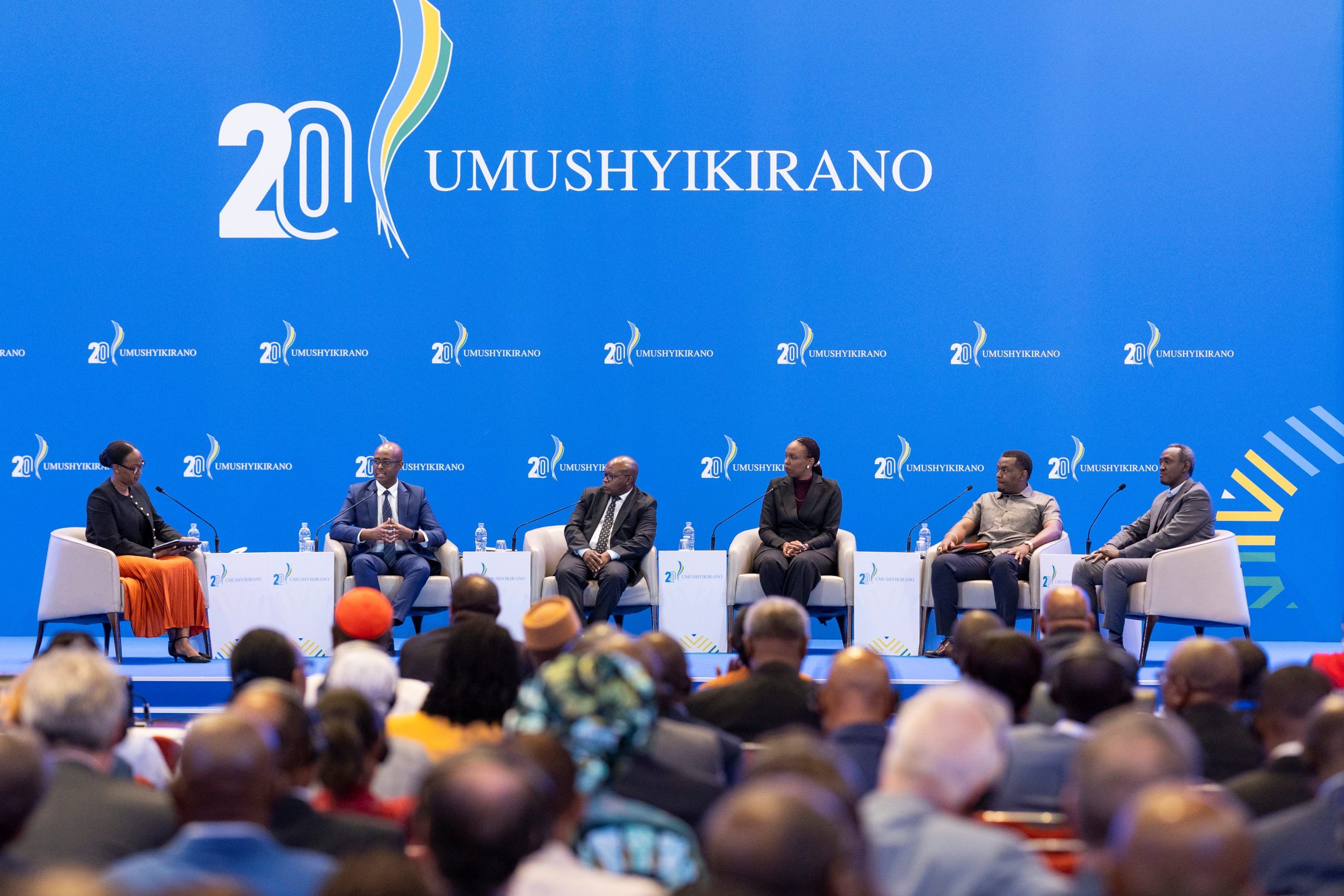
Umushyikirano - National Dialogue Council: Annual forum chaired by the President of the Republic of Rwanda where citizens engage with government to discuss development and ensure accountability.
Why Home-Grown Solutions Matter
These initiatives have catalyzed Rwanda’s recovery, reduced inequality, and fostered strong governance and national identity, demonstrating effective locally-led development. They highlight the importance of locally designed and owned solutions for sustainable development, emphasizing community participation and ownership. Their success underscores that development efforts rooted in local culture and traditions are more sustainable and impactful than purely external models.
Rwanda Cooperation’s Role in Sharing the Model
Rwanda Today, Rwanda Cooperation continues to share Rwanda’s experience globally through technical cooperation, knowledge exchange, and South-South cooperation. More than 800 delegations from around the world have visited Rwanda to learn from its Home-Grown Solutions and development model.
Rwanda is not only transforming itself but also sharing its knowledge, experience, and inspiration with the world.
Published: May 11, 2026
By: Rwanda Cooperation
Share